Rainwater Harvesting in West Texas:
A Smart Investment for Concho Valley Homes
West Texas doesn't get a lot of rain
which is exactly why the rain we do get shouldn't go to waste.
Rainwater harvesting is one of the simplest, most effective ways San Angelo and Concho Valley homeowners can cut water costs, ease the strain on municipal supply, and keep their landscaping alive through the long dry stretches. Here's what you need to know.
What Is Rainwater Harvesting?
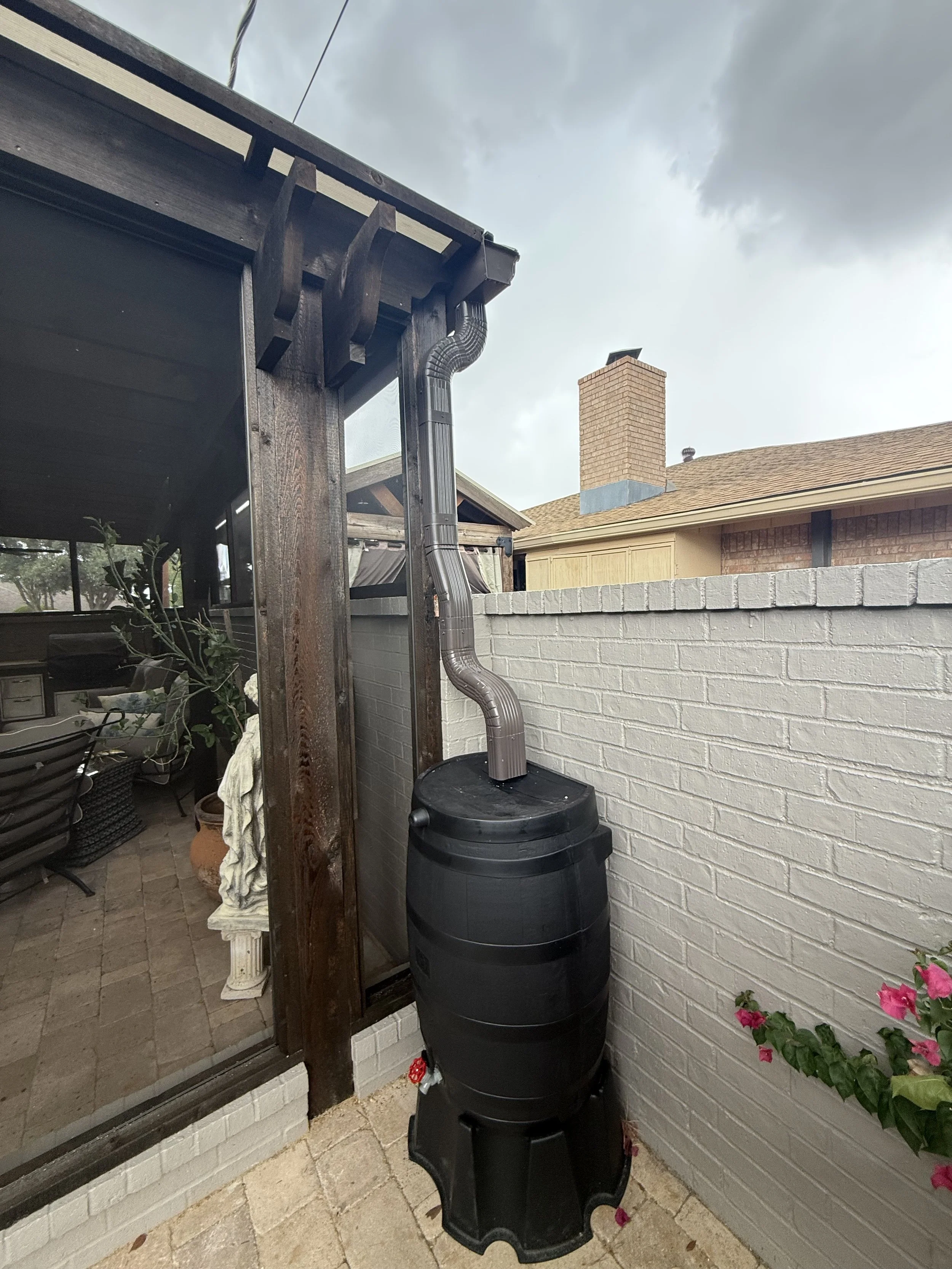
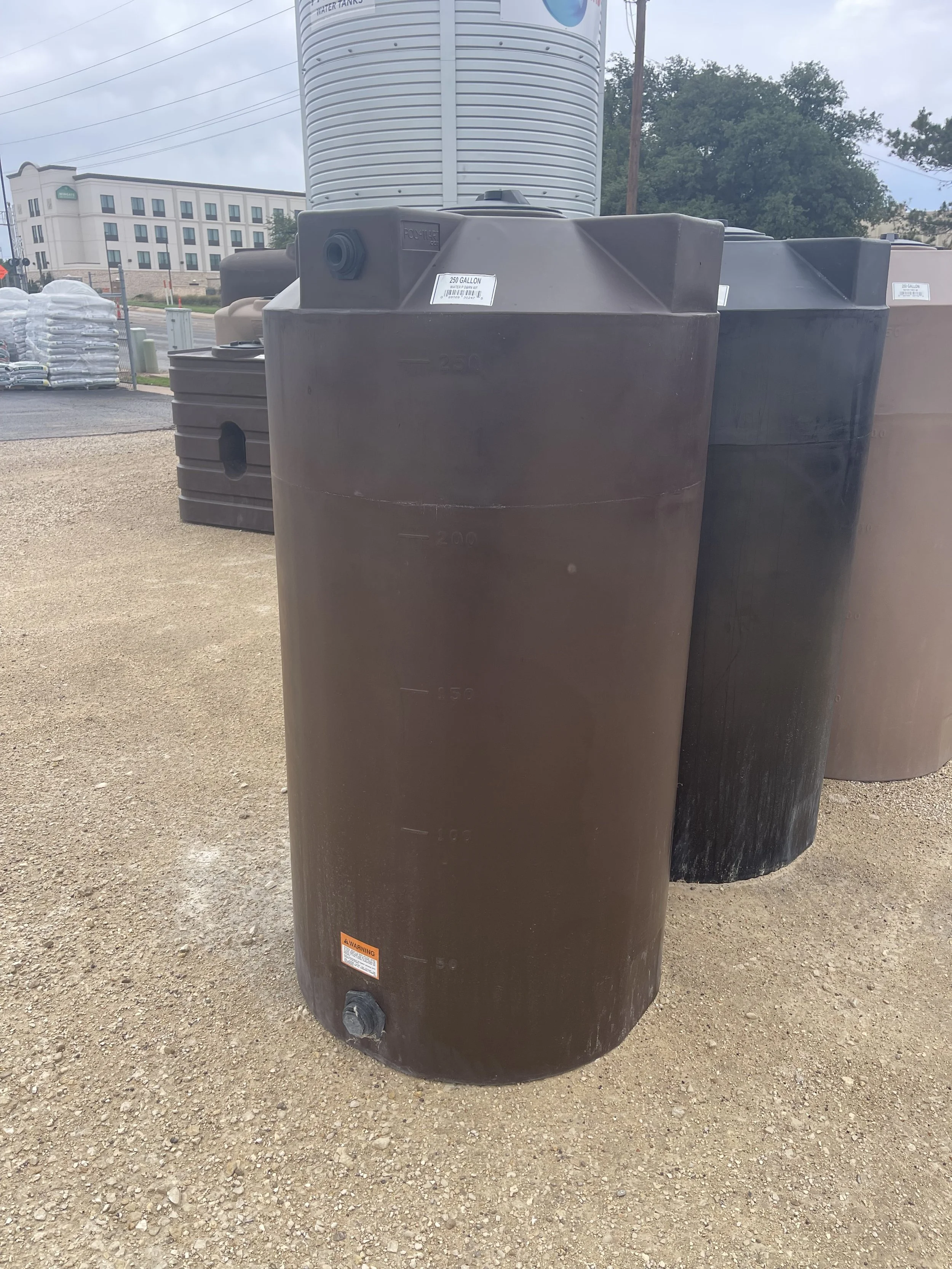
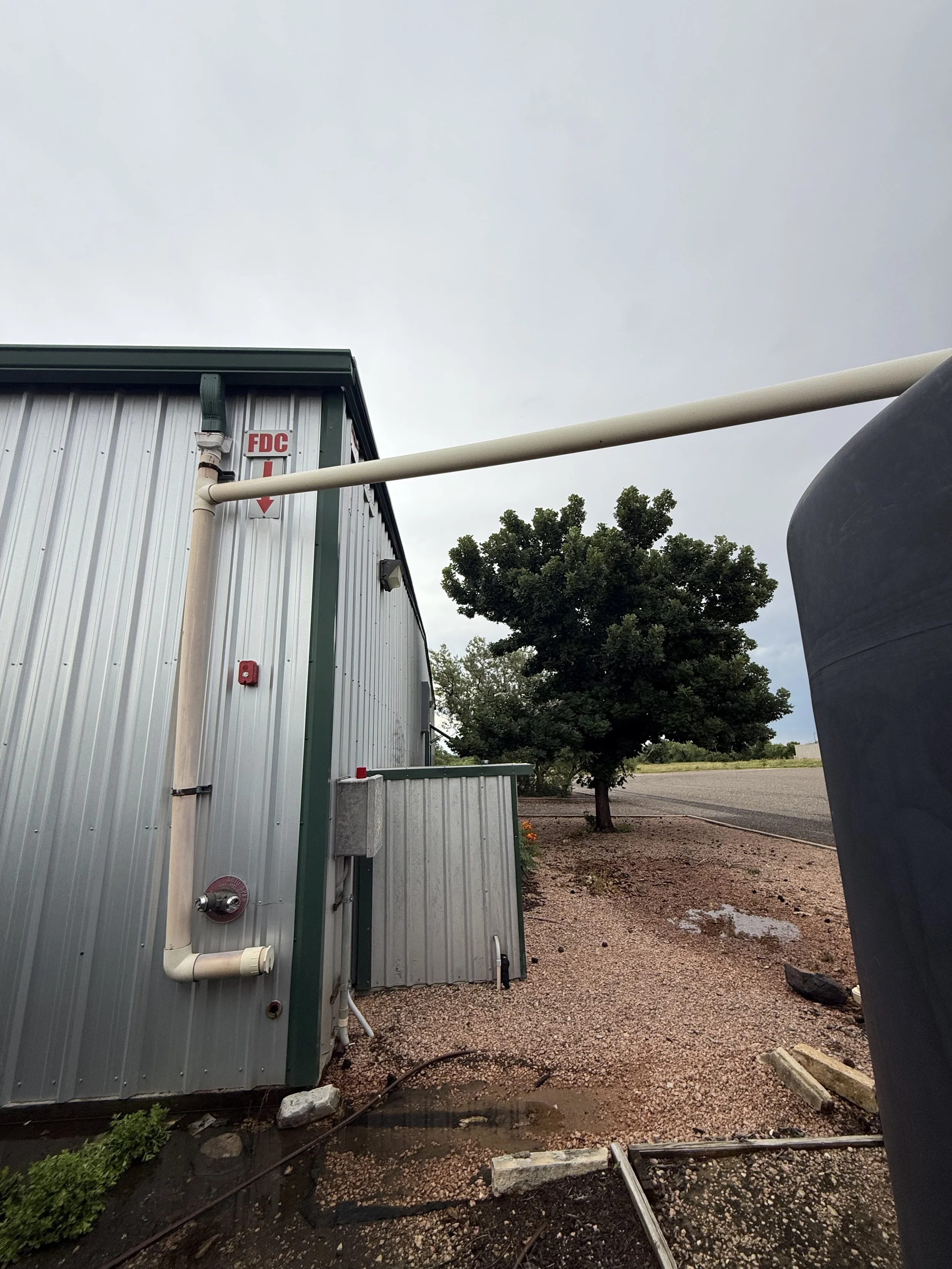
Rainwater harvesting is the practice of collecting and storing rain runoff — usually from a roof, through the gutter system — for later use. Water is channeled through gutters and downspouts into a storage tank or cistern, filtered to remove debris, and then used on demand. It's a system as old as civilization itself, and it's seeing a resurgence as water costs rise and drought conditions become more common across Texas.
The Benefits
Lower water bills. Every gallon collected from the roof is a gallon you're not pulling from the tap — and in a region where water rates continue to climb, that adds up fast over a full irrigation season.
Drought resilience. Concho Valley summers are long and dry. A properly sized rainwater system gives you a private reserve to lean on when outdoor watering restrictions kick in or the ground simply needs more than the forecast is giving you.
Reduced runoff and erosion. Capturing water at the roofline means less of it rushing across your yard, eroding soil, and overwhelming drainage systems during the heavy downpours West Texas is known for when it does rain.
Better water for your landscape. Rainwater is naturally soft and free of the chlorine, fluoride, and dissolved salts found in treated municipal water — plants generally respond to it better than tap water.
Self-sufficiency. A well-designed system reduces your dependence on the municipal grid, which matters both for your budget and for peace of mind during peak-demand summer months.
Proper Uses for Harvested Rainwater
Harvested rainwater is ideal for outdoor, non-potable uses, including:
- Watering gardens and flower beds — rainwater's lack of added minerals makes it gentler on soil and root systems
- Irrigating trees and shrubs, especially newly planted or drought-stressed landscaping
- Washing vehicles, trailers, and equipment without running up the water bill
- Rinsing outdoor equipment, patios, and driveways
- Filling ornamental ponds or water features
- Supplemental use in livestock troughs, where local guidelines allow
With additional filtration and treatment, some homeowners take harvested rainwater further — but for the vast majority of residential uses, outdoor irrigation and cleaning are where a rainwater system pays for itself the fastest.
Why Turf Grass Is Not a Recommended Use
One thing we're upfront about with every rainwater harvesting customer: traditional turf grass is generally not a good use for harvested rainwater, and here's why.
Turf grass has an enormous appetite for water compared to nearly anything else in a West Texas landscape. A typical lawn can require thousands of gallons a week during peak summer heat — far more than a residential collection system, even a well-sized one, can realistically keep up with. Roof catchment in this region simply doesn't generate enough volume during our dry months to sustain a full lawn without constantly running the tank dry.
Using a limited rainwater supply on turf also means it's not there when you need it most — for your garden beds, trees, and shrubs that are far more valuable, harder to replace, and much more efficient with the water they receive. We generally recommend directing harvested rainwater toward drought-tolerant landscaping, gardens, and targeted plantings, and looking at xeriscaping principles for turf areas instead. It's a better match for both the water budget and the West Texas climate.
Preventing Debris From Entering the Tank
A rainwater harvesting system is only as good as what's protecting it. Leaves, seed pods, mesquite thorns, and roof grit are constant in this part of Texas, and if they make it into your tank, you end up with clogged filters, foul odors, and water that isn't fit for anything.
The fix starts at the gutter line:
- Gutter guards keep leaves and larger debris out of the gutter system before it ever reaches a downspout
- First-flush diverters route the initial, dirtiest flow of a rain event away from the tank, so only cleaner water gets stored
- Inlet screens and mesh filters on the tank itself catch the finer debris that makes it past the gutters
- Regular gutter and downspout maintenance keeps the whole system flowing the way it's designed to
This is where a properly installed gutter and gutter guard system does double duty — it protects your home from water damage and it's the first line of defense for a clean, functional rainwater harvesting system.
working with professionals
Rainwater harvesting done right takes more than just a tank in the backyard, and we don't pretend to have all the answers on system sizing, treatment, and best practices alone. That's why we work with the Tom Green County Extension Agency, who offer classes on rainwater harvesting systems — covering everything from proper system design to the best ways to keep debris and contaminants out of your storage tank. If you're considering a rainwater harvesting system for your property, their classes are a great place to start, and we're glad to help make sure your gutters and catchment setup are ready to support whatever system you choose.
---
Liquid Exteriors installs seamless gutters, gutter guards, and exterior lighting throughout San Angelo and the greater Concho Valley — including Mertzon, Ballinger, Christoval, and Sterling City. A well-built gutter system is the foundation of any good rainwater harvesting setup. Contact us to talk through your project.